About Us
Founder of DementiaDefender™
Joanna Gustafson, M.S., M.Ed., NBC-HWC
Joanna’s mission is to help individuals, families, and professionals move from helplessness to informed action—protecting brain health, supporting quality of life, and changing the conversation around dementia from inevitability to possibility.
She is the Founder of Dementia Defenders™, bringing nearly four decades of experience in health, fitness, and wellness, supported by a Master’s degree in Health Promotion from the University of North Carolina. Her career spans community health, corporate wellness, nutrition, fitness and senior fitness, coaching, higher education, and program development—reflecting a rare integration of academic training, professional certification, and real-world application.
Joanna is a professional member of the American College of Lifestyle Medicine (ACLM) and is deeply aligned with the principles of Lifestyle Medicine, including movement, nutrition, stress management, restorative sleep, social connection, and purpose as foundational tools for disease prevention and healthy aging.
Her credentials include:
Certified Dementia Support Facilitator
Certified Senior Fitness Instructor
Certified Brain Health Trainer
Certified Brain Health Professional
Board-Certified Health Coach (NBHWC)
Beyond her professional training, Joanna brings a deeply personal perspective to her work. She served as a full-time caregiver for nine years to both parents living with Alzheimer’s disease and dementia. This experience gave her firsthand insight into the emotional, physical, and financial realities families face—and the critical gaps that often exist between medical care and day-to-day support.
Rather than approaching dementia through fear or crisis, Joanna is dedicated to prevention-first education and ethical, lifestyle-based guidance. Her work focuses on what can be done earlier—before cognitive decline becomes severe—and how to support brain health with realism, dignity, and respect for individual circumstances.
A distinctive element of Joanna’s approach is her intentional use of music as a health-supportive tool. Grounded in research on stress regulation, mood, nervous system health, and engagement, music is used not as entertainment, but as a structured and accessible way to support emotional regulation, connection, and quality of life. Joanna is also an award-winning professional musician who has performed for VIP audiences at Jimmy Buffett concerts, opened for The Wailers Band, and collaborated with artists connected to iconic moments in music history.
As Founder of Dementia Defenders™, Joanna created a prevention-focused education, coaching, and certification initiative designed to equip professionals with practical, evidence-informed strategies for supporting brain health. The program is built around the DEFEND™ Framework, a structured model that addresses modifiable dementia risk factors while remaining firmly within ethical scope and professional boundaries.
Why DementiaDefender™ Was Created
I didn’t come to this work through theory alone — I came to it through life.
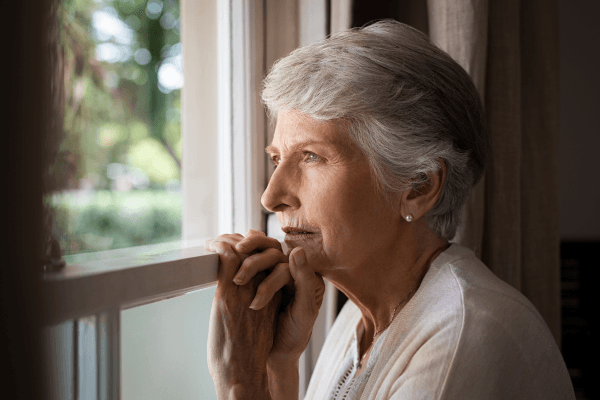
For nine years, I was a full-time caregiver to both of my parents as they lived with Alzheimer’s disease and dementia. During that time, I saw firsthand how devastating cognitive decline can be — not just for the individual, but for the entire family.
I watched my father, the kindest and most intelligent person I know, struggle to find his way to the bathroom. I watched my mother spend years — before she herself developed dementia — living in constant fear that the future she dreaded would become reality: that her husband, her best friend and the love of her life, would follow the same path as his father. In the end, both lost independence, confidence, and a sense of identity.
I also saw how quickly caregivers — including myself — become overwhelmed, exhausted, and invisible. Dementia doesn’t just take an emotional and physical toll; it often creates a profound financial one as well. Families may be forced to deplete a lifetime of savings to cover care, while caregivers frequently give up jobs, income, and even their own health to support the people they love.
What surprised me most wasn’t only how hard this journey was — it was how little practical, prevention-focused guidance existed. Most of what we were offered came after crisis had already begun, when options were limited and time was scarce. There was very little conversation about what could have been done earlier, or how everyday lifestyle choices might influence brain health long before symptoms become severe.
At the same time, after an early career in science and engineering, I had already spent decades working in health and fitness. I hold a Master’s degree in Health Promotion and had developed programs and manuals focused on nutrition, movement, stress, mood, behavior change, and the science of healthy aging. Yet despite this background, these well-established principles were rarely being meaningfully connected to brain health in the mainstream conversation.
That disconnect stayed with me.
Over time, it became clear that what was missing wasn’t information, but integration — connecting lifestyle science, brain health, and everyday life in a way that made prevention possible.
I also knew from experience that emotional health matters deeply. In parallel with my work in health education, music had always been an important part of my life. As an award-winning professional musician, I have performed for VIP audiences at Jimmy Buffett concerts, opened for The Wailers Band, and played with nationally touring musicians. But for me, music was never just entertainment. I saw how it could shift mood, reduce stress, help people feel present, and restore a sense of connection — even in difficult moments.
I began focusing my work on prevention-first, lifestyle-based brain health education — grounded in evidence, delivered with compassion, and designed for real life. I became a Certified Dementia Support Facilitator, Certified Brain Health Trainer, Certified Brain Health Professional, Certified Senior Fitness Instructor, and a professional member of the American College of Lifestyle Medicine. I continued working with older adults, caregivers, and professionals who wanted clarity instead of fear.
What I learned is this: dementia is complex, but research shows that a substantial portion of risk — up to 40% — is linked to modifiable lifestyle factors. Stress matters. Movement matters. Nutrition matters. Connection matters. And the earlier we support brain health, the more options people have.
That realization led to the creation of Dementia Defenders™ — an initiative dedicated to empowering individuals and professionals with ethical, evidence-based strategies to protect brain health before crisis. Not with promises. Not with panic. But with education, structure, and hope.
My work today is about changing the conversation — from inevitability to possibility, from fear to informed action, and from helplessness to prevention.
Because no family should have to navigate dementia without support.
And no professional should feel unsure how to help.
Joanna Gustafson
Founder of DementiaDefender™